- 14 Jul 2026
- 2848 Views
- 4 minutes read
What Is a Crypto Wallet? Everything Beginners Need to Know
If you're planning to explore cryptocurrency, one of the first terms you'll encounter is crypto wallet. Many beginners assume a wallet actually stores cryptocurrency, but that's not entirely true.
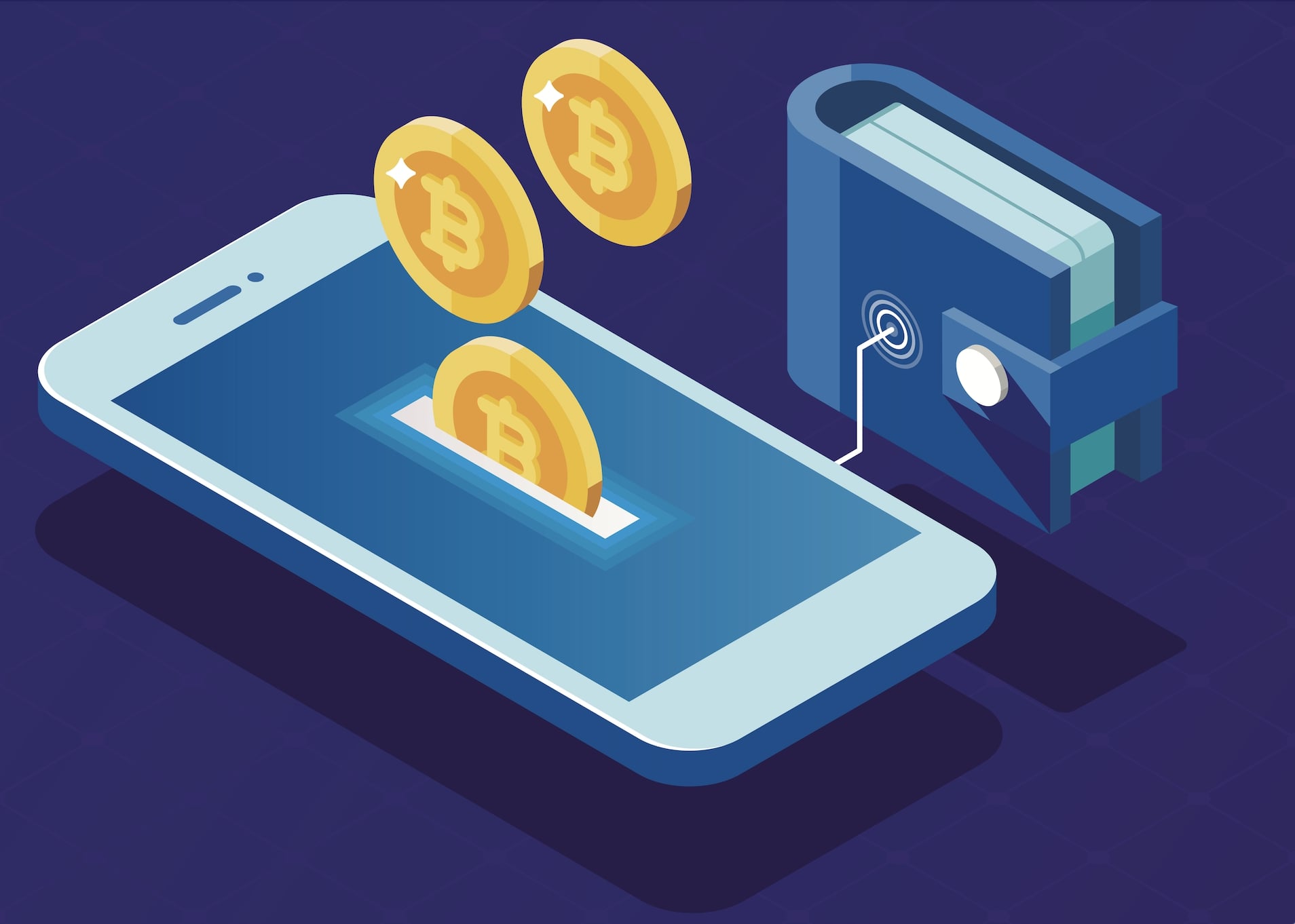
A crypto wallet is one of the most important tools in the blockchain ecosystem. It allows you to access, send, receive, and manage your digital assets securely.
Whether you're buying cryptocurrency for the first time or simply learning about blockchain technology, understanding how crypto wallets work is an essential step.
In this guide, we'll explain everything you need to know in simple language.
What Is a Crypto Wallet?
A crypto wallet is a digital tool that allows you to interact with blockchain networks.
Instead of physically holding coins, a wallet securely stores the cryptographic keys that prove ownership of your digital assets.
These keys allow you to:
- Send cryptocurrency
- Receive cryptocurrency
- View your balances
- Access decentralized applications (dApps)
- Sign blockchain transactions
Think of it like your online banking app. Your banking app doesn't actually store your money—it simply gives you secure access to your bank account. A crypto wallet works in a similar way by providing access to your assets on the blockchain.
How Does a Crypto Wallet Work?
Every wallet contains two important components:
Public Key
A public key is similar to your bank account number.
You can safely share it with others so they can send cryptocurrency to your wallet.
Private Key
A private key is like your personal password—but much more important.
Whoever controls the private key controls the cryptocurrency associated with it.
For this reason, you should never share your private key with anyone.
Types of Crypto Wallets
There are several different types of wallets, each with its own advantages.
Hot Wallets
Hot wallets are connected to the internet.
Examples include:
- Mobile apps
- Desktop software
- Browser extensions
- Exchange wallets
Advantages
- Easy to use
- Fast transactions
- Convenient for everyday activity
Disadvantages
- More exposed to online threats
- Require strong security practices
Cold Wallets
Cold wallets remain offline most of the time.
Examples include:
- Hardware wallets
- Paper wallets
Advantages
- Excellent long-term security
- Reduced exposure to hackers
Disadvantages
- Less convenient for frequent transactions
- Hardware devices have an upfront cost
Custodial vs Non-Custodial Wallets
Another important distinction is who controls your private keys.
Custodial Wallets
With custodial wallets, a third-party service manages your private keys.
These are often offered by cryptocurrency exchanges.
They can be convenient for beginners but require trust in the service provider.
Non-Custodial Wallets
With non-custodial wallets, you control your own private keys.
This gives you greater independence but also greater responsibility.
If you lose your recovery phrase, you may permanently lose access to your assets.
What Is a Recovery Phrase?
When creating a wallet, you'll usually receive a recovery phrase—a series of randomly generated words.
This phrase allows you to restore your wallet if your device is lost or damaged.
Best practices include:
- Write it down on paper.
- Store it somewhere safe.
- Never save it in an unsecured online document.
- Never share it with anyone.
Protecting your recovery phrase is one of the most important aspects of crypto security.
How to Choose the Right Wallet
The best wallet depends on your goals.
Ask yourself:
- Are you actively trading or investing long-term?
- Do you prioritize convenience or maximum security?
- Will you use decentralized applications?
- Are you comfortable managing your own private keys?
Many experienced users combine both hot and cold wallets to balance accessibility and security.

Common Wallet Mistakes
New users often make avoidable mistakes.
Here are a few to watch out for:
Sharing Recovery Phrases
No legitimate company or support team will ever ask for your recovery phrase.
Downloading Fake Wallet Apps
Only download wallets from official websites or trusted app stores.
Always verify the developer before installing.
Forgetting Backups
If you don't back up your wallet, losing your device could mean losing access to your cryptocurrency.
Ignoring Software Updates
Wallet updates often include important security improvements.
Keeping your software updated helps protect your digital assets.
Security Tips for Beginners
Protecting your wallet starts with good habits.
Remember to:
- Use strong, unique passwords.
- Enable two-factor authentication whenever available.
- Verify website addresses before entering sensitive information.
- Keep your recovery phrase offline.
- Stay informed about common scams.
Small precautions can make a significant difference.
Why Wallet Security Matters
Blockchain technology gives users greater control over their digital assets.
With that control comes responsibility.
Unlike traditional banks, blockchain transactions are generally irreversible. If cryptocurrency is sent to the wrong address or stolen due to poor security practices, recovering it may not be possible.
Learning how wallets work is one of the best ways to participate safely in the digital economy.
Final Thoughts
A crypto wallet is much more than a place to store digital assets—it's your gateway to the blockchain ecosystem.
By understanding how wallets work and following good security practices, you'll be better prepared to manage cryptocurrency responsibly and confidently.
As with any financial technology, education is your strongest layer of protection.
Take time to learn, ask questions, and build your knowledge before making important decisions.
Continue Your Blockchain Journey with OurTeamClub
At OurTeamClub, we believe learning is the foundation of confident decision-making.
Our educational community helps members understand blockchain technology, cryptocurrency, Web3, financial literacy, and digital security through practical resources and ongoing support.
Whether you're just starting out or expanding your knowledge, we're here to help you continue learning in a trusted environment.
👉 Visit our "Earn With Us" page to discover more educational resources and become part of our growing community.
Escrito por
Skye Jensen
Recent posts
- What Is a Crypto Bridge? A Beginner’s Guide to Cross-Chain Transfers
- What Are Layer 1 and Layer 2 Blockchains? A Beginner’s Guide
- What Is a Blockchain Explorer? A Beginner’s Guide to Tracking Crypto Transactions
- Crypto Coins vs. Tokens: What Is the Difference?
- What Is a Blockchain Node? A Beginner’s Guide to Nodes and Network Validation