- 28 Aug 2026
- 576 Views
- 8 minutes read
What Is a Crypto Wallet? A Beginner's Guide to Crypto Wallets
If you're new to cryptocurrency, one of the first terms you'll encounter is crypto wallet.
You may already know that cryptocurrencies exist on blockchains, but where are your coins actually stored? What does a wallet do? And why does everyone keep talking about private keys and recovery phrases?
These questions are completely normal.
A crypto wallet can seem confusing at first, but the basic concept is easier than it sounds. A wallet gives you the tools you need to interact with blockchain networks and manage the cryptographic keys associated with your digital assets.
In this guide, we'll explain what a crypto wallet is, how it works, the main types of wallets, and the security habits every beginner should understand.
What Is a Crypto Wallet?
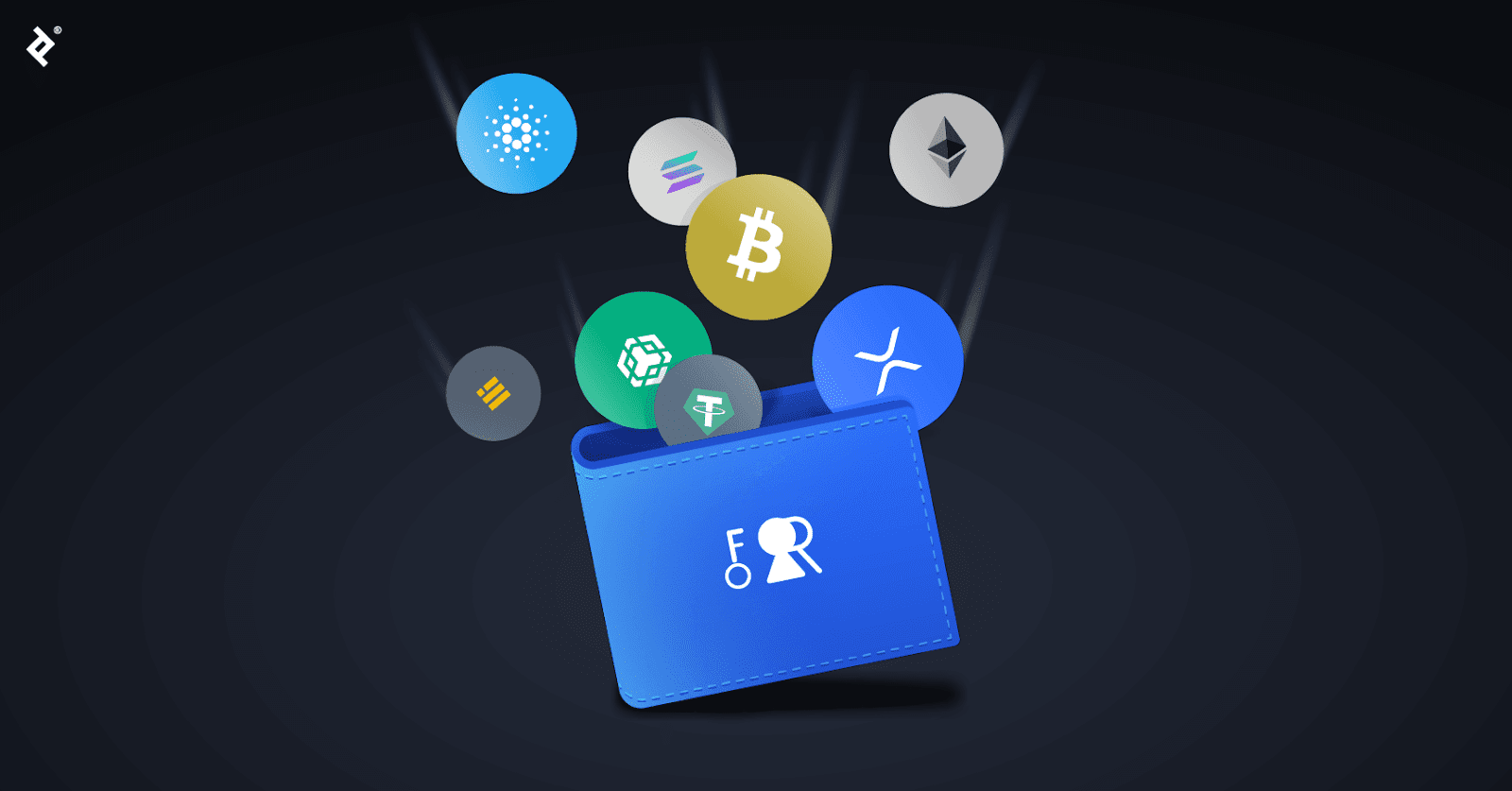
A crypto wallet is a tool that allows you to interact with a blockchain and manage the cryptographic keys associated with your digital assets.
Unlike a physical wallet, a crypto wallet doesn't literally contain coins.
Cryptocurrencies are recorded on their respective blockchain networks. Your wallet stores or manages the credentials that allow you to access and authorize transactions involving those assets.
Depending on the wallet, it may allow you to:
- Receive cryptocurrency
- Send cryptocurrency
- View your balances
- Connect to decentralized applications
- Manage digital assets
- Sign blockchain transactions
The wallet is therefore your gateway to interacting with the blockchain.
How Does a Crypto Wallet Work?
To understand wallets, it's useful to know about public addresses and private keys.
Public Address
A wallet address is a string of characters that can be used to receive cryptocurrency.
You can think of it somewhat like an account number.
If someone wants to send you cryptocurrency, they generally need your appropriate wallet address.
However, you should always verify that the address is correct before sending funds because blockchain transactions can be difficult or impossible to reverse.
Private Key
A private key is a secret piece of cryptographic information that allows the owner to authorize certain transactions.
You should never share your private key with anyone.
Anyone who gains control of the relevant private key may be able to control the associated assets.
Recovery Phrase
Many wallets use a recovery phrase, sometimes called a seed phrase, to help users restore access to their wallet.
It is usually a sequence of words generated when setting up a wallet.
Your recovery phrase should be treated as highly sensitive information.
Never share it with another person, website, or supposed customer-support representative.
Are Crypto and Wallets the Same Thing?
No.
A cryptocurrency exists on a blockchain, while a wallet provides the tools and credentials needed to interact with the blockchain.
For example, if you own Bitcoin, the Bitcoin itself is recorded on the Bitcoin blockchain.
Your wallet helps you access and manage the cryptographic credentials associated with your Bitcoin holdings.
This distinction is one of the most important concepts for beginners to understand.
Different Types of Crypto Wallets
Crypto wallets come in several forms.
The two broad categories you'll hear most often are hot wallets and cold wallets.
What Is a Hot Wallet?
A hot wallet is a cryptocurrency wallet that is connected to the internet.
Examples can include:
- Mobile wallets
- Desktop wallets
- Browser-based wallets
- Web wallets
Hot wallets are often convenient because they make it easy to interact with blockchain applications and conduct transactions.
However, being connected to the internet can also increase exposure to online security threats.
What Is a Cold Wallet?
A cold wallet is designed to keep private keys offline when they aren't being used.
Hardware wallets are a common example.
Cold storage can provide an additional layer of protection against certain online threats, particularly for people who want to hold digital assets for longer periods.
However, cold wallets aren't automatically risk-free. Users still need to protect their recovery information and carefully follow security procedures.
Hot Wallet vs. Cold Wallet
The main difference can be summarized simply:
Hot WalletCold WalletConnected to the internetDesigned for offline storageConvenient for frequent transactionsOften preferred for longer-term storageGenerally easier to accessMay require additional stepsMore exposed to online threatsReduces certain online attack risks
The right choice depends on how you use cryptocurrency and how much security and convenience you need.
What Is a Custodial Wallet?
A custodial wallet is a wallet where another company or service manages the private keys on your behalf.
For example, some cryptocurrency exchanges provide custodial wallets.
This can make cryptocurrency easier to use, especially for beginners.
However, it also means you're trusting the provider to safeguard your assets and provide access according to its policies.
What Is a Non-Custodial Wallet?
With a non-custodial wallet, the user is responsible for managing their own private keys or recovery phrase.
This provides greater direct control, but it also creates greater responsibility.
If you lose your recovery information and don't have another valid recovery method, you may permanently lose access to your assets.
With greater control comes greater responsibility.

How to Choose a Crypto Wallet
There is no single wallet that's perfect for everyone.
Consider your needs before choosing one.
Think About Security
Research how the wallet protects private keys and what security features it provides.
Consider Convenience
If you frequently interact with decentralized applications, you may prioritize accessibility.
If you're focused on long-term storage, security may be more important than convenience.
Check Blockchain Compatibility
Not every wallet supports every blockchain or digital asset.
Always verify compatibility before transferring cryptocurrency.
Research the Provider
Look for information about the wallet's development, security practices, reputation, and official support channels.
Avoid downloading wallet software from unknown websites or suspicious links.
How to Protect Your Crypto Wallet
Wallet security starts with simple habits.
Never Share Your Recovery Phrase
Your recovery phrase should remain private.
No legitimate person needs you to send it through email, messaging apps, social media, or a support chat.
Beware of Fake Support
Scammers frequently impersonate wallet providers or cryptocurrency companies.
If someone contacts you unexpectedly and asks for your recovery phrase or private key, treat it as a serious warning sign.
Verify Addresses Before Sending
Blockchain transactions can be irreversible.
Check the destination address carefully before confirming a transaction.
Use Official Sources
Download wallet applications and software from verified official sources.
Avoid links sent by unknown accounts.
Keep Your Devices Secure
Use strong passwords, device security, and appropriate software updates.
Your wallet security is connected to the security of the device you use to access it.
Common Crypto Wallet Mistakes
Beginners often make avoidable mistakes when they first start using cryptocurrency.
Sending to the Wrong Network
Some assets can exist across multiple blockchain networks.
Sending an asset using an unsupported network can create serious problems.
Always verify the receiving platform's requirements before making a transfer.
Storing Your Recovery Phrase Online
Saving your recovery phrase in screenshots, cloud storage, or unsecured notes can increase exposure to unauthorized access.
Consider secure offline storage appropriate for your situation.
Clicking Suspicious Links
A fake website can look remarkably similar to a legitimate wallet or blockchain application.
Don't connect your wallet or sign transactions simply because someone sends you a link.
Approving Transactions Without Reading
When interacting with decentralized applications, don't automatically approve every request.
Take time to understand what you're authorizing.
Crypto Wallets and Web3
Wallets are a major part of the Web3 ecosystem.
Instead of creating a traditional username and password for every decentralized application, users can often connect their wallets to interact with blockchain-based services.
Wallets can therefore act as a digital identity and access tool within certain Web3 environments.
Crypto Wallets and DeFi
Crypto wallets are also essential when interacting with many DeFi applications.
Users can connect compatible wallets to decentralized exchanges, lending protocols, and other blockchain-based applications.
Before interacting with DeFi, it's worth understanding both the technology and the risks involved.
Crypto Wallets and Staking
If you are interested in staking, your wallet can also play an important role.
Depending on the blockchain and staking method, you may use a wallet to delegate assets, interact with validators, or participate in staking-related applications.
Why Wallet Education Matters
Owning cryptocurrency isn't only about understanding prices and markets.
It also means understanding how to protect access to your digital assets.
Learning about:
- Private keys
- Recovery phrases
- Wallet addresses
- Blockchain networks
- Transaction approvals
- Security practices
can help you avoid some of the most common mistakes beginners make.
This is why financial and digital education should go hand in hand.
Final Thoughts
A crypto wallet is one of the most important tools in the blockchain ecosystem.
It doesn't physically store cryptocurrency. Instead, it helps you manage the cryptographic credentials that allow you to interact with blockchain networks and control associated digital assets.
Understanding the difference between hot and cold wallets, custodial and non-custodial solutions, public addresses, private keys, and recovery phrases gives you a much stronger foundation for exploring cryptocurrency.
And when it comes to wallet security, one principle should always come first:
Protect your keys, protect your recovery phrase, and never rush a transaction.
Continue Learning With OurTeamClub
The world of blockchain can feel complicated when you're just getting started.
At OurTeamClub, our goal is to make topics such as cryptocurrency, blockchain, Web3, digital finance, and financial education easier to understand.
If you're building your knowledge one concept at a time, explore our Earn With Us section and continue discovering the OurTeamClub ecosystem.
Learn first. Stay curious. Protect your digital assets.
Escrito por
Skye Jensen
Recent posts
- What Is a Crypto Bridge? A Beginner’s Guide to Cross-Chain Transfers
- What Are Layer 1 and Layer 2 Blockchains? A Beginner’s Guide
- What Is a Blockchain Explorer? A Beginner’s Guide to Tracking Crypto Transactions
- Crypto Coins vs. Tokens: What Is the Difference?
- What Is a Blockchain Node? A Beginner’s Guide to Nodes and Network Validation